Role Medications and TMS Play in Trauma Treatments – Update

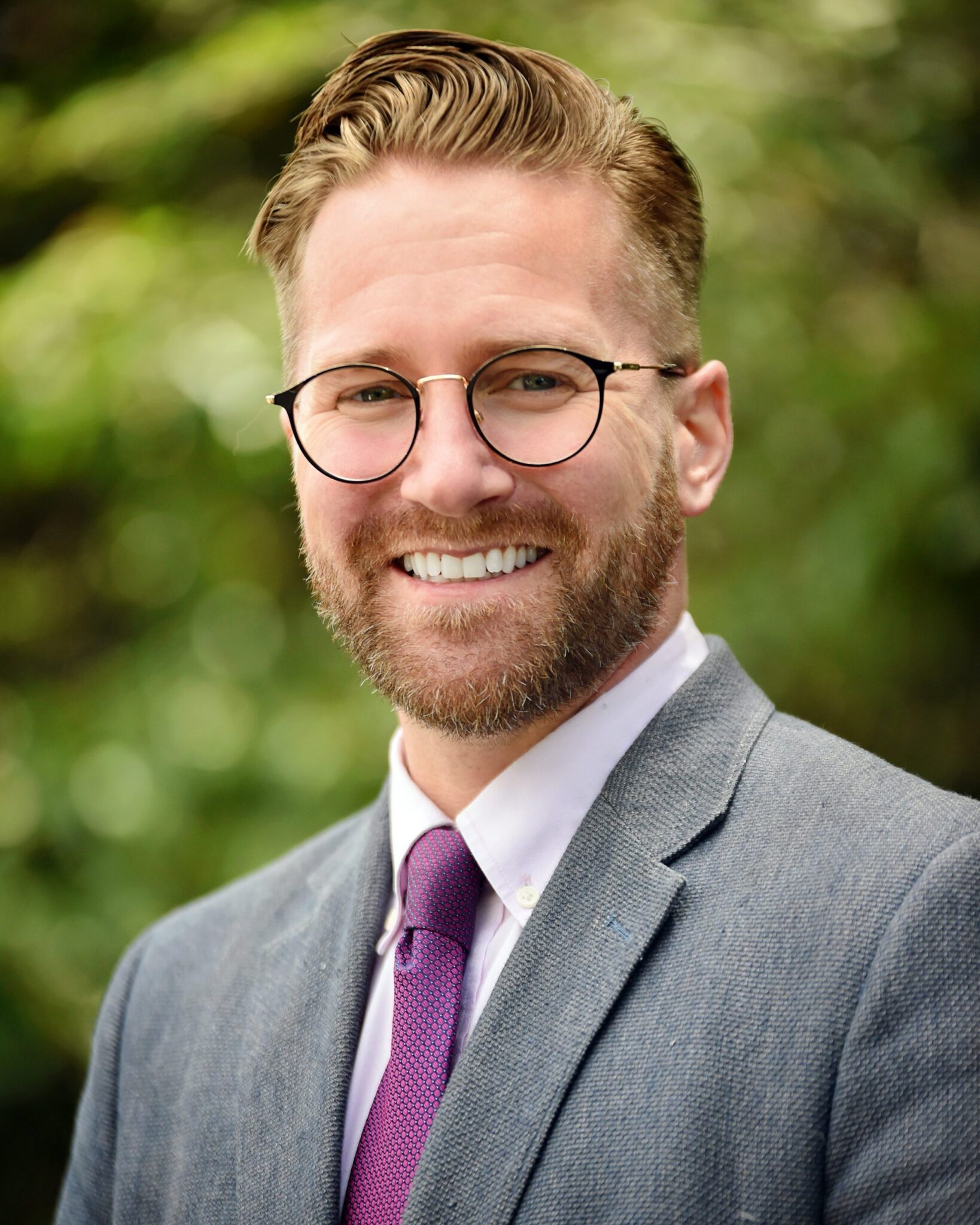
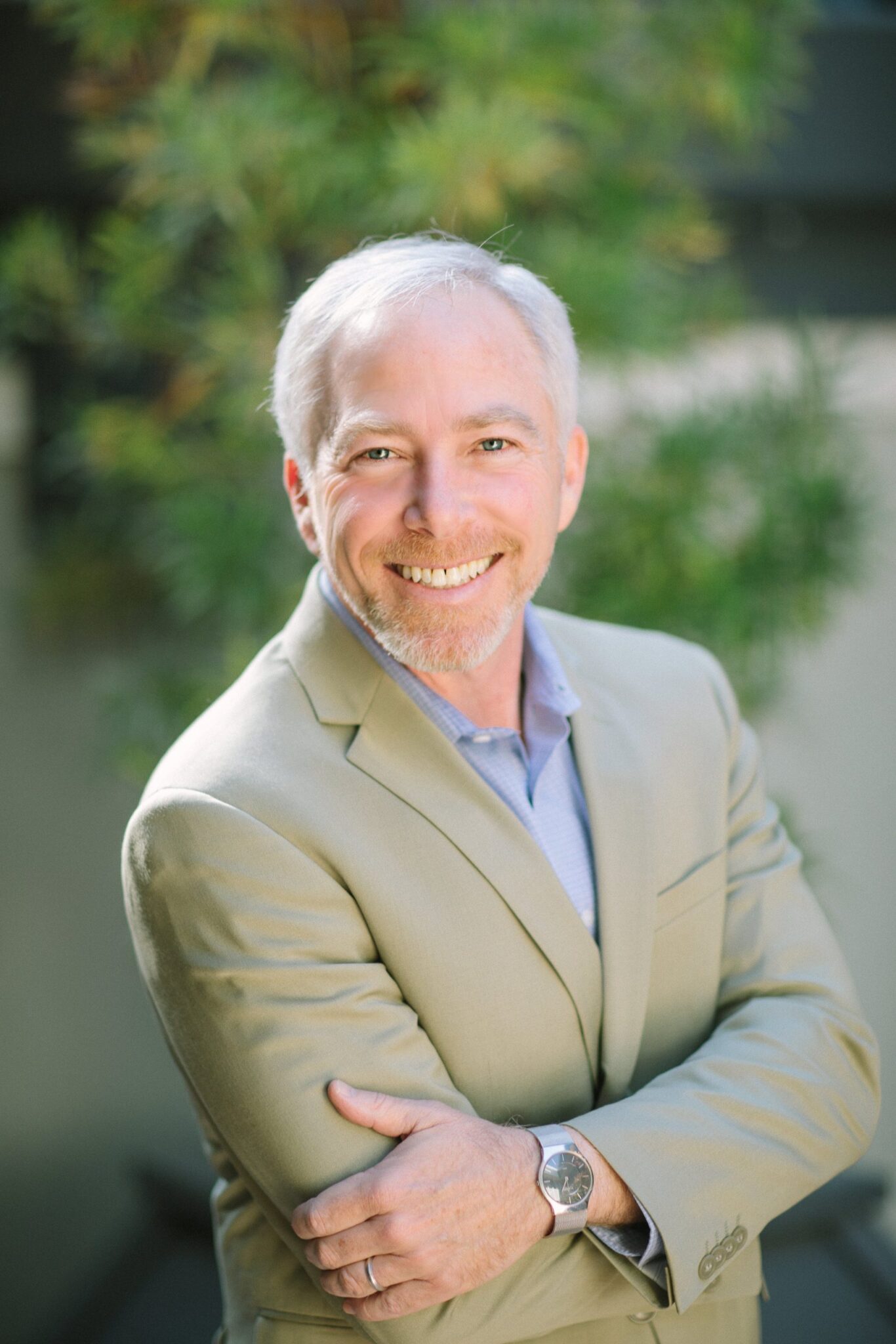
Dr. Schiller has updated his very popular article on the role medications play in trauma treatment. First published in 2016, one might argue that this update including TMS and Ketamine treatments, is even more relevant today.

Ketamine.

There has been quite a lot of interest in the use of ketamine in the treatment of depression. Ketamine has been used since the 1970’s primarily as an anesthetic. It is an NMDA receptor antagonist which accounts for much of its activity and its actions as a hallucinogen and dissociative agent. The latter also accounts for its potential for abuse. However, other effects of ketamine, perhaps a transient increase in glutamate transmission and causing an increase in the connectivity of neurons, may account for ketamine’s ability to act as an antidepressant. There is also research into the use of ketamine in the treatment of PTSD. In the most prominent studies, depressive symptoms, often present in people with PTSD did improve, but there were inconsistent results in whether specific symptoms of PTSD improved.

TMS (Transcranial Magnetic Stimulation).

While not a medication treatment, repetitive transcranial magnetic stimulation (rTMS or TMS) is a physical treatment which is approved for the treatment of depression. In TMS, a magnetic coil is placed over a targeted area of the head. A magnetic field goes through the skull and causes a small electric current in the brain in an area associated with depression. This area is connected to other parts of the brain which may also be secondarily stimulated and likely treat depression through increasing connections between neurons. TMS is being investigated as a treatment in a number of other psychiatric disorders including PTSD. Studies appear consistent in showing improvement in depressive symptoms in PTSD. Though further research needs to be done to draw more definitive conclusions, a number of studies have shown TMS to be well tolerated and effective in treating some of the specific symptoms of PTSD.

Continue reading

Welcome Julie Sauber!

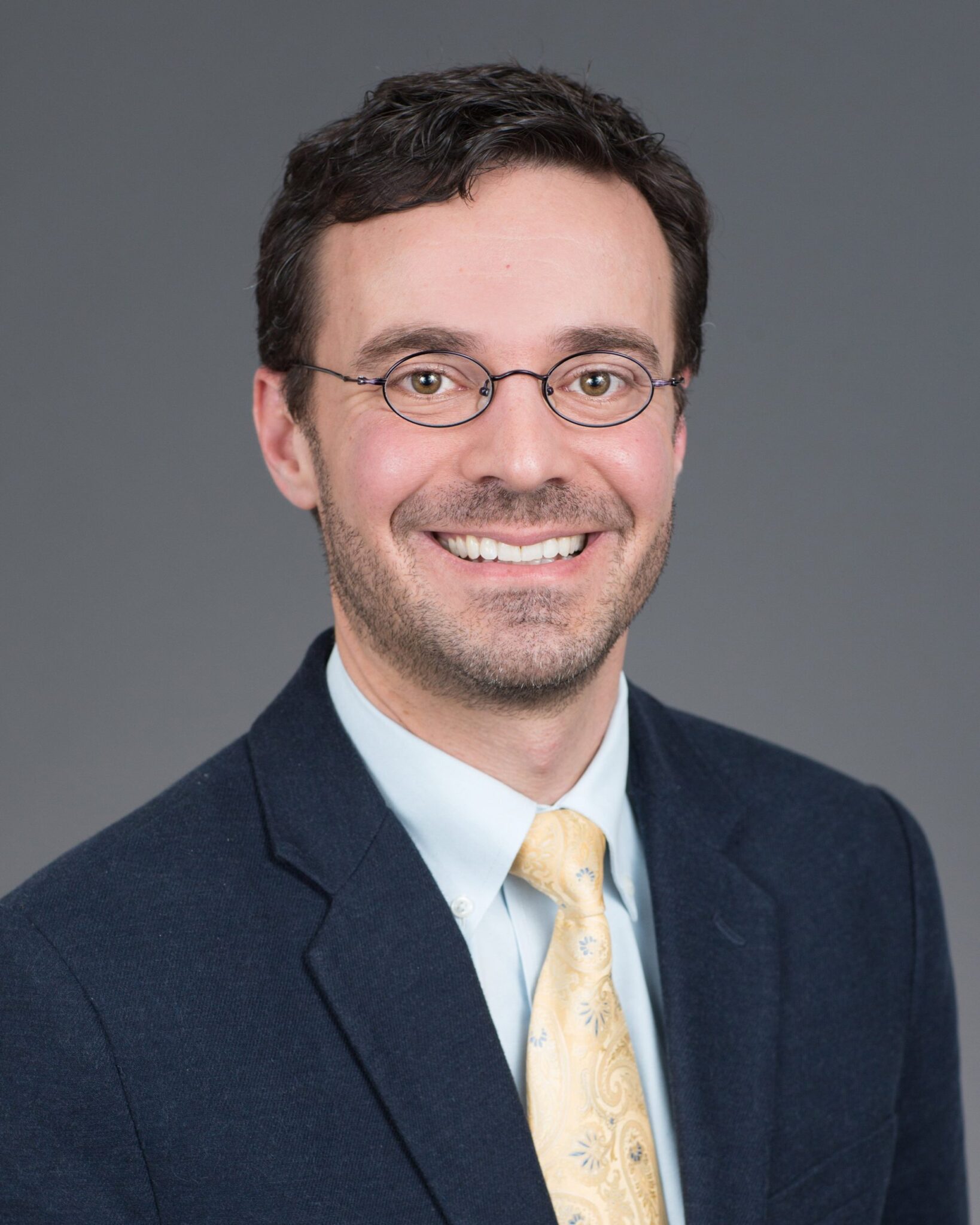
We are pleased to welcome Julie Sauber, PsyD. Dr. Julie Sauber is a licensed psychologist and clinical supervisor, holding a Psy.D. in clinical psychology and M.S. in counseling psychology. With nearly 20 years of experience in the mental health field, her work has been dedicated to helping adolescents, adults, couples, and families who are affected by substance use disorders and co-occurring diagnoses, such as PTSD, OCD, anxiety, panic, and mood disorders.

Continue reading

Are you enabling or empowering? By Matt Blagys PhD

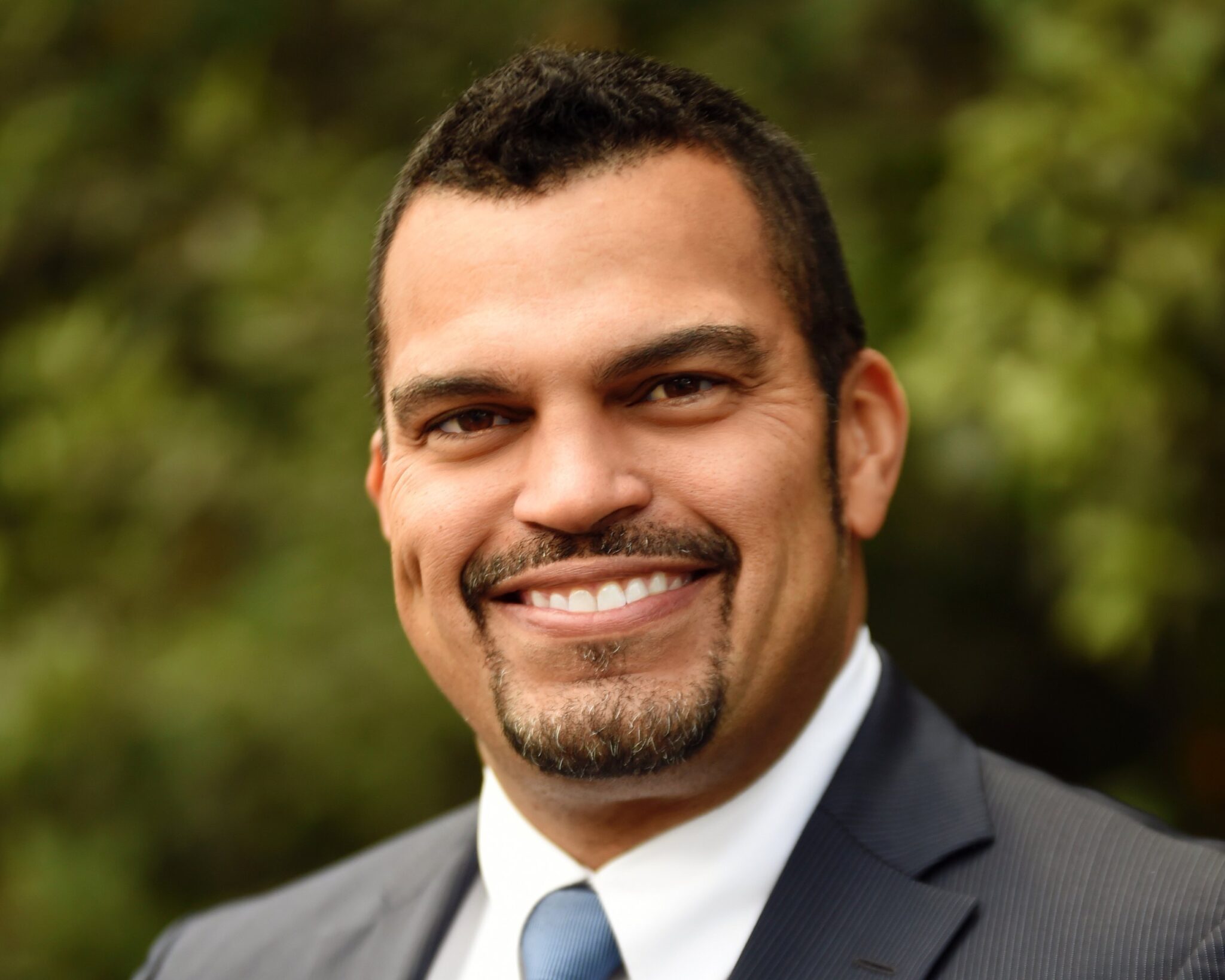
Matt Blagys, Ph.D. photo

It can be scary and confusing for family members to wonder whether they are helping or hurting the one they love.

 
  • Enabling refers to help offered that perpetuates rather than solves a problem

  • Empowering means giving someone the responsibility and authority to change.

Individuals who habitually enable unhealthy behavior are often referred to as co-dependent. It is a telling word because the enabler’s sense of safety and ‘okayness’ is, in a sense, dependent on his or her ability to feel in control of an uncontrollable situation.

By steppingn in to “solve” the problems of a substance abuser or a person engaging in unhealthy behaviors, the enabler takes away any motivation for the individual to take responsibility for his or her own actions. Without that motivation, there is little reason for the person to change.

Here are some questions to ask yourself when considering whether you are enabling or empowering your loved one to change:

We believe that treatment shouldn’t only be for the priority family member. Rather than a ‘car wash model’—where an individual client enters treatment, does surface level work, and comes out looking shiny and new— our aim is to get ‘under the hood’ to make deeper and more long lasting changes for the entire family. In addition to the individual struggling with mental health issues and addiction, clients in our IOP and PHP programs receive a separate family therapist to support, educate, and help heal the whole family.

Have feedback for Dr. Blagys, contact him here.

In-Person IOP Groups Starting 2/28

It’s no secret that COVID-19 has greatly impacted everyone. When the pandemic began, Mind Therapy Clinic moved quickly to a virtual platform which has allowed us to provide care to our clients and those from greater distances from the clinic.

We feel it is now safe and feasible to return to live care. We believe live care has many benefits including increased intimacy and connection to Mind Therapy Clinic staff and client peers as well as decreasing the sense of isolation and separation that has characterized the pandemic for so many people. It also provides opportunities for social engagement and offers greater access and accountability.

Continue reading

New! Equine-Assisted Therapy

Providing equine-assisted therapy to individuals, groups, and families

Horses have been used for therapeutic purposes since the time of the ancient Greeks, and today, equine-assisted therapy is used in a variety of setting with all types of people. As a part of Mind Therapy Clinic program, we are now offering this new experiential therapy.

Christina Nicholson is a lifelong horsewoman and an Equus, life and leadership coach in the Bay Area.

Coming from the corporate world, Christina got into this line of work because she believes in her bones that we each have the power to connect more deeply to ourselves and, in doing so, show up as more compassionate, authentic humans. In a world where we are constantly pulled in different directions and bombarded with distractions, Equus coaching allows clients to walk away from the chaos and fully immerse themselves in the present moment.

Coaching with horses provides an opportunity for clients to get out of their comfort zones and examine default behavior patterns and ways of thinking. This unique experiential learning modality provides a safe container for clients to explore their inner voice and dialogue, their approach to relationships, their leadership style and non-verbal communication. Clients walk away with greater awareness, a stronger sense of self, a deeper understanding of their strengths, and a sense of gratitude for their equine teacher and guide.

Equine-assisted therapy is now available through E-Street House and Mind Therapy Clinic’s intensive outpatient program.

For more information, click here and ask your question.


Welcome Betsy Thompson!

We are pleased to welcome Betsy Thompson, LPCC who is a licensed Professional Clinical Counselor.

Betsy has experience providing individual, group, and family therapy to adolescents and adults. Betsy has obtained her undergraduate degree in psychology from Saint Joseph’s University in Philadelphia and completed her master’s degree at the University of Denver in Denver, CO. Betsy has worked in various therapeutic settings including residential treatment centers, outpatient private practice, and outpatient clinics.

Betsy has experience working with clients with PTSD, anxiety, depression, personality disorders, change of life issues, social skill struggles, and behavioral concerns. Betsy utilizes an integrative approach with an emphasis on Psychodynamic Theory, Cognitive Behavioral Therapy (CBT), and Dialectical Behavior Therapy (DBT).

Continue reading