Open Positions at MTC
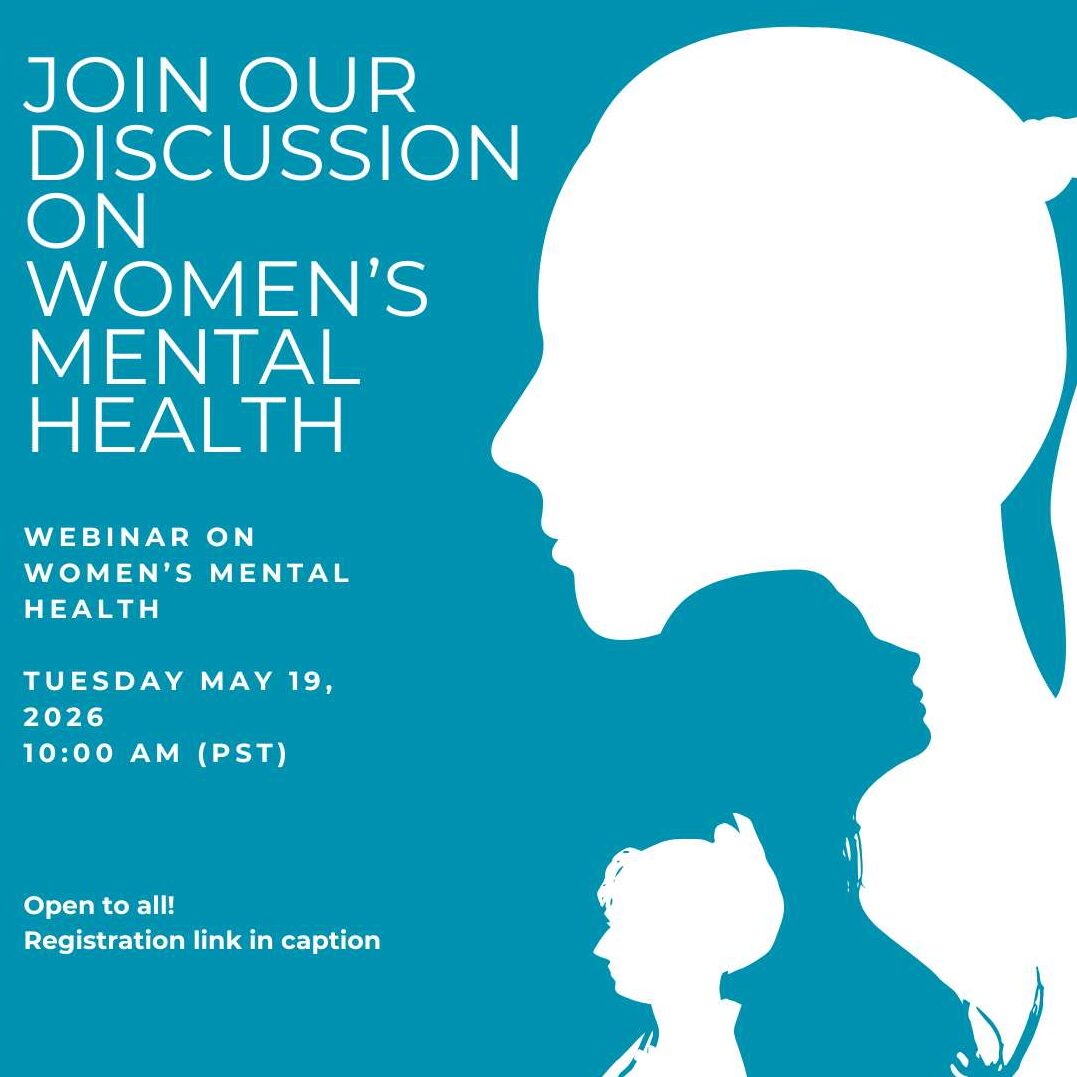
Free CE Webinar for Clinicians: Women’s Mental Health Considerations
Women’s Mental Health Webinar 5/19
Women’s Health Webinar
Continue readingOne-Day TMS, Why it works!

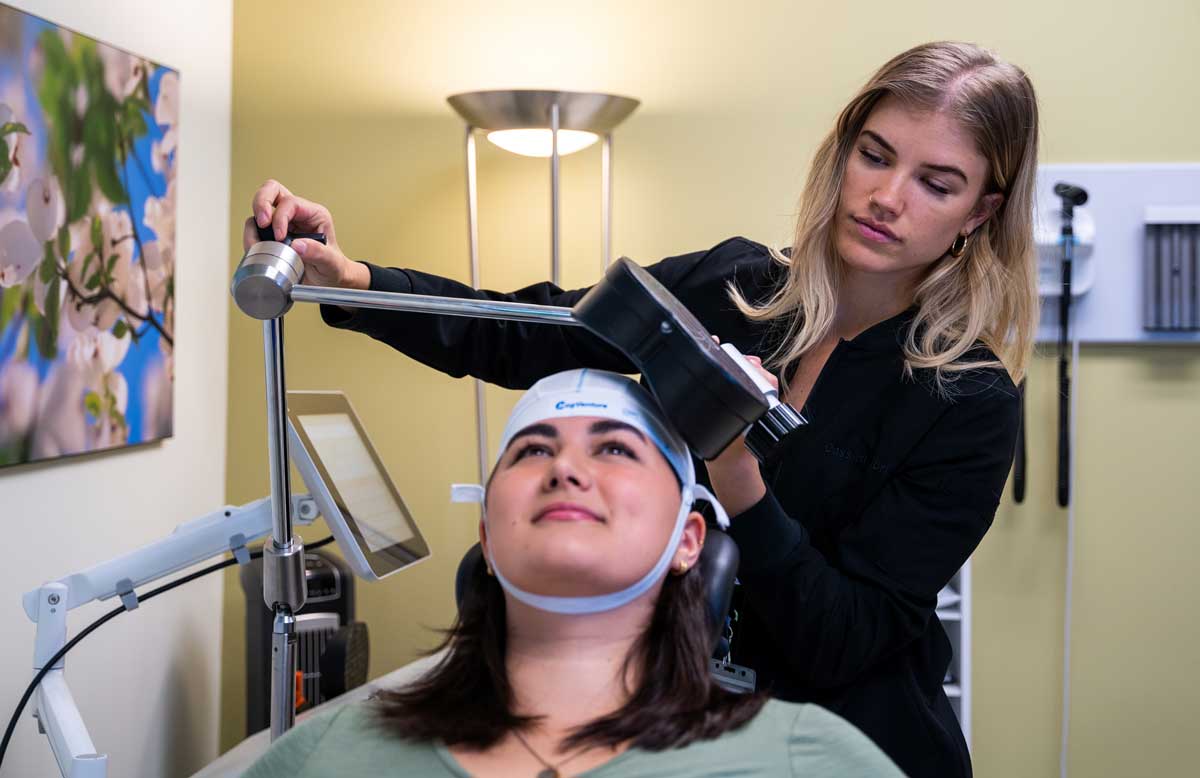
Mind Therapy Clinic’s new one-day TMS protocol is designed to make TMS treatment faster, more affordable, and overall more accessible.
Continue readingTMS is now included with IOP

We are excited to announce the inclusion of Transcranial Magnetic Stimulation (TMS) as an integrated part of our intensive outpatient programming at MTC. While TMS has previously been offered as an adjunct service, it is now a core component of the program.
TMS is a natural, holistic treatment approach for a variety of mental health conditions, including depression, anxiety, and OCD. By adding TMS, we are expanding our already comprehensive list of included services, which features:
- Individual therapy
- Family therapy
- Group therapy
- Psychiatric evaluation and medication management
- Case management
- Nutrition consultation
Initially recognized for helping individuals who did not respond to multiple medication trials or who experienced severe side effects, TMS has demonstrated benefits for those diagnosed with:
- Treatment-resistant depression
- Post-traumatic stress disorder (PTSD)
- Anxiety
- Obsessive Compulsive Disorder (OCD)
- Chronic pain
- Bipolar disorders
This addition reflects our commitment to maintaining the highest quality of care by offering the latest proven technologies and treatments to our clients.
Behavioral Health Friendsgiving
Celebrating Community at the Behavioral Health Friendsgiving – Nov 18
Mind Therapy Clinic is honored to participate in the 3rd Annual Friendsgiving Potluck for Behavioral Healthcare Professionals on Monday, November 18, from 12:00 – 2:00 p.m. at Lagoon Park in San Rafael.
Friendsgiving has become a simple tradition we love – sharing food, stories, and thanks with colleagues who care for our community every day. There’s no program and no agenda. Just a table full of potluck dishes and a chance to connect across agencies, roles, and disciplines.
This year’s gathering is a collaboration among Mind Therapy Clinic, Crownview Psychiatric Institute, Foundations San Francisco, and CPN Wellness / Doyen Consulting. We’re grateful to stand alongside so many dedicated professionals – clinicians, case managers, program teams, trainees, and partners – who support individuals and families facing mental health and substance use challenges across the Bay Area.
What Friendsgiving means to us
Gratitude: making space to appreciate the work and one another.
Collaboration: strengthening relationships that make care more seamless for patients.
Community: showing up as neighbors, not just organizations.
If you’re a behavioral health professional and plan to stop by, there’s a simple RSVP below that helps with headcount. Attendance is entirely informal; bring a dish if you’d like, or simply bring yourself.
RSVP
Date/Time: Monday, Nov 18 • 12-2 p.m.
Location: Lagoon Park picnic tables, San Rafael
From all of us at Mind Therapy Clinic: thank you for the meaningful work you do and for the spirit of community that makes that work possible. We’re looking forward to sharing a meal together.
Webinar: Bridging the Gap
Bridging the Gap: Integrated Treatment for Trauma & Addiction
Free 2-CE Webinar
Date/Time: Monday, November 17 • 11:00 a.m. – 1:00 p.m. PT
Format: Live Zoom webinar (link provided after registration)
CE Credit: 2.0 hours (no cost; attendance verification required)
Register here to watch the recording
Overview
For many years, treatment for substance use disorders and trauma followed a sequential model – address one problem first, then the other. That approach often produced incomplete care and outcomes. Today, research and clinical experience point to a more effective path: integrated treatment.
In this practical, evidence-informed session, Tim Worden, Ph.D. and Matt Blagys, Ph.D. will:
- Ground participants in the neurobiology of addiction and trauma.
- Explain the bidirectional influence each has on the other.
- Translate these insights into integrated assessment and treatment strategies you can use now.
Learning Objectives
Participants will be able to:
- Identify the primary neurochemicals and brain structures involved in addiction.
- Describe how trauma impacts the nervous system.
- Explain the bidirectional relationship between trauma and addiction and implications for integrated treatment.
Who Should Attend
Psychiatrists, psychologists, therapists, social workers, counselors, and other clinicians who treat co-occurring trauma and substance use disorders.
Presenters
Tim Worden, Ph.D.
Speaker

Tim Worden, PhD, is a licensed clinical psychologist and neuropsychologist, specializing in addictions and health psychology. He developed a unique psychotherapeutic approach called Neuro-Emotional Therapy (NET), which emphasizes the neurologically based emotional-motivational factors involved in change.
Dr. Worden received his doctorate from the University of South Florida over 25 years ago. His work in substance abuse includes inpatient (Palo Alto VA), outpatient (Linn County Drug & Alcohol Program), and several residential treatment centers as a staff psychologist, including clinical director positions at New Seasons Recovery and Summit Malibu. He has been a visiting assistant professor in the Department of Clinical Psychology at the University of Florida focusing on pain management and neuropsychology, as well as the clinical director of a neuro-rehabilitation program where he functioned as a neuropsychologist and rehabilitation psychologist for 10 years.
During this time he developed his unique psychotherapeutic approach called Neuro-Emotional Therapy (NET), which emphasizes the neurologically based emotional-motivational factors involved in change. He has dove-tailed this therapeutic approach with advanced training in Emotionally Focused Therapy (EFT) and Dialectical Behavior Therapy (DBT), which emphasize emotional regulation. He has co-authored several articles on anger, anxiety and health, and has developed the Life Satisfaction Questionnaire, the Human-Styles Questionnaire, the Values Clarification Inventory, and co-authored the Work Attitudes Inventory, which focuses on Integrity in the Workplace. He is completing books on eliminating guilt and shame, relapse prevention: a motivational approach, and life satisfaction.
Matt Blagys, Ph.D.
Speaker
Matt Blagys, Ph.D., is a clinical psychologist with advanced training from Harvard/Mass General and the Austen Riggs Center. He specializes in complex psychiatric and addiction cases and serves as the clinical director at Mind Therapy Clinic. Click here for more.
Continuing Education
Information on Continuing Education Credit for Health Professionals
• CE credits for psychologists are provided by the Spiritual Competency Academy (SCA) which is co-sponsoring this program. The Spiritual Competency Academy is approved by the American Psychological Association to sponsor continuing education for psychologists. Spiritual Competency Academy maintains responsibility for this program and its content.
• The California Board of Behavioral Sciences accepts CE credits for LCSW, LPCC, LEP, and LMFT license renewal for programs offered by approved sponsors of CE by the American Psychological Association.
• LCSW, LPCC, LEP, and LMFTs, and other mental health professionals from states other than California need to check with their state licensing board as to whether or not they accept programs offered by approved sponsors of CE by the American Psychological Association.
• SCA is approved by the California Board of Registered Nursing Provider CEP16887) for licensed nurses in California. RNs must retain their certificate of attendance for 4 years after the course concludes.
•For questions about receiving your Certificate of Attendance, contact Jacqueline Perlmutter, Mind Therapy Clinic. For questions about CE, contact Spiritual Competency Academy at info@spiritualcompetencyacademy.com.
Fall News
|