
Psychotherapist Arin M. Bass Joins Mind Therapy Clinic Team

“My own journey of recovery guided the way into my work with individuals who experience eating disorders…  I believe a trusting therapeutic relationship and building positive coping tools are essential to recovery.” – Arin M. Bass, M.A., LMFT

Mind Therapy Clinic welcomes Arin M. Bass, a licensed Psychotherapist who earned her Master’s degree in Counseling Psychology with a concentration in Marriage and Family Therapy from The American School of Professional Psychology. She has been practicing since 2010, and for the past several years, her focus has been with adolescents, adults and families in a clinical setting attending to the issues of eating disorders,  body image issues, substance abuse,  and co-morbid diagnoses such as depression, anxiety, and suicidality and self harm.  Arin utilizes a multidisciplinary theoretical perspective with emphasis on Client-Centered, Psychodynamic, Cognitive Behavioral, and Dialectical Behavioral and Family Systems models.

Continue reading

Brain Awareness Week Starts Today

Every March, Brain Awareness Week (March 13-17) unites the efforts of many organizations worldwide in celebration of the brain for people of all ages. 

We are proud to partner with the Dana Foundation this week in raising awareness for brain research and the importance of staying mentally fit and healthy.

Continue reading

Welcome Christine Valdez, PhD, PTSD/Trauma Treatment Expert

Mind Therapy Clinic welcomes Christine Valdez, Clinical Psychologist and PTSD expert to the team. Dr. Valdez is a licensed clinical psychologist with expertise in empirically supported treatments for trauma-related issues, including post-traumatic stress, depression, and anxiety. She specializes in individual and group therapy for adults who have experienced interpersonal trauma.

Continue reading

New! Therapeutic Meal Group for Disordered Eating Recovery

The therapeutic meal group is part nutrition education and part culinary skills development designed around a coached meal and post-meal process group. Even as recovery progresses, many people encounter difficulties at meal time such as trying new foods, preparing their own food, and implementing skills from intuitive and mindful eating. This group intends to bridge that gap and act as a laboratory to learn about and practice new skills and discover the thoughts, feelings, and behaviors that show up during meals that may be inhibiting progress in recovery.

To register for this group, contact us at info@mindtherapyclinic.com.

Continue reading

Mind Therapy Clinic welcomes Katherine Dittmann, MS, RDN, Nutrition Therapist.

It is with pleasure we welcome Katherine Dittmann, MS, RDN, to Mind Therapy Clinic.  Katherine is a nutrition therapist specializing in eating behaviors and disorders, and has worked the full spectrum of eating disorder treatment for a decade.  Katherine uses a food-positive and pragmatic approach, weaving in concepts from yoga and mindfulness to help people connect with the body and eat with more ease. Katherine is a certified Mindfulness-Based Yoga Therapy for Eating Disorders teacher, certified Mindful Self-Compassion teacher, and former chef.   Learn More About Katherine.

Continue reading

Understanding Holistic Trauma Treatment – Education Event 1 CE

Learn how traditional therapeutic methods including Trauma-Focused Cognitive Behavioral Therapy and Sensorimotor Psychotherapy can be integrated with non-traditional therapies, such as yoga, neurofeedback, meditation to help resolve the implicit memories associated with trauma.  

This workshop for 1 CE is suitable for clinicians at the intermediate and advanced level.

Guest Presenter:  Adriana Westby-Trend, PhD,Clinical Director, PCH – Psychological Care & Healing, Residential and Outpatient Treatment, Venice, CA

Date/Time:  Friday, March 17, 11:30am to 1:15pm

Location: Il Davide – 901 A Street, San Rafael

Continue reading

Categories of Traumatic Experience – by David Campell

We’ve covered single incidents of trauma exposure in our Trauma Series to date.   But, as we know other kinds of traumas can be repeated and enduring such as domestic violence, military combat, or living in a war zone.  These can have an even more pervasive effect than a single incident trauma since the mind/body may not have time to settle before the next threat occurs.   

An even more insidious form of trauma is that which occurs during the critical developmental years of a child, thought to be 0-6 yrs of age [3].  When an event in childhood is overwhelming it elicits the same survival circuit as in adults.  But for a child, an experience of overwhelm does not require the same magnitude of threat that it would take for an adult to feel overwhelmed, due to their vulnerability and lack of survival resources. 

Continue reading

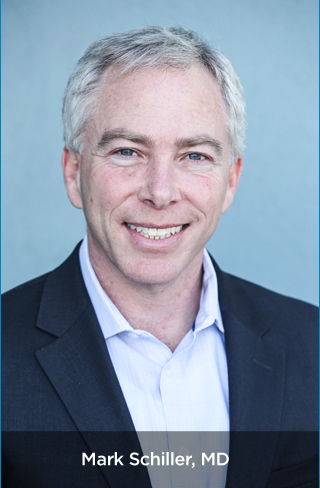
The Role Medications Play in the Treatment of PTSD – Trauma Series by Mark Schiller, MD

Psychotherapy is the keystone of PTSD treatment.  Nevertheless, medications play an important role and often included to facilitate the psychotherapeutic treatments.  Medication can help improve core symptoms as well as other problems related to the traumatic experience, such as depression, anxiety, or excessive alcohol or drug use.

For people who have experienced trauma, there may be changes in the brain that are linked to their ability to manage stress.  Specifically, people with PTSD have changes in the balance of certain chemicals – called neurotransmitters –  in the brain than those who do not have PTSD.  These imbalances in different neurotransmitter systems are the focus of medication treatment. 

There of different classes of medications that are used to address different types of symptoms.

Continue reading

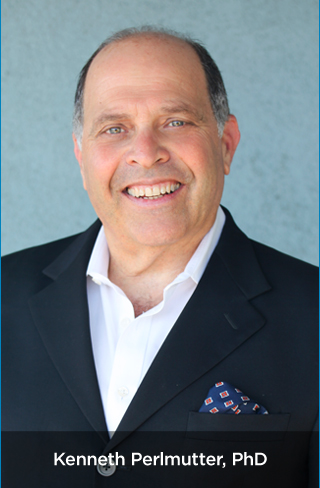
How trauma stress is passed down to children and burdens families with mental disorders – Trauma Series by Kenneth Perlmutter, PhD

Addiction, compulsion, disordered eating and mental illness typically show up in people from families that have experienced significant losses from which members of the system have never fully recovered.

Families burdened by these legacies of loss find themselves caught in repetitive cycles of illness and relapse, reinforced by learned responses that are transmitted across the generations.  Rather than see these families as dysfunctional, it has proven more useful to think of them as “wounded.” The wounded family system displays a set of environmental characteristics dubbed “the dastardly D’s.”  This vignette describes a family burdened with inherited trauma stress… 

Continue reading